1 - PaaS
Platform as a service (PaaS) is a cloud computing platform where a third party offers the necessary software and hardware resources. These offerings enable clients to develop, run, and manage business applications without maintaining the infrastructure required for such software development processes.
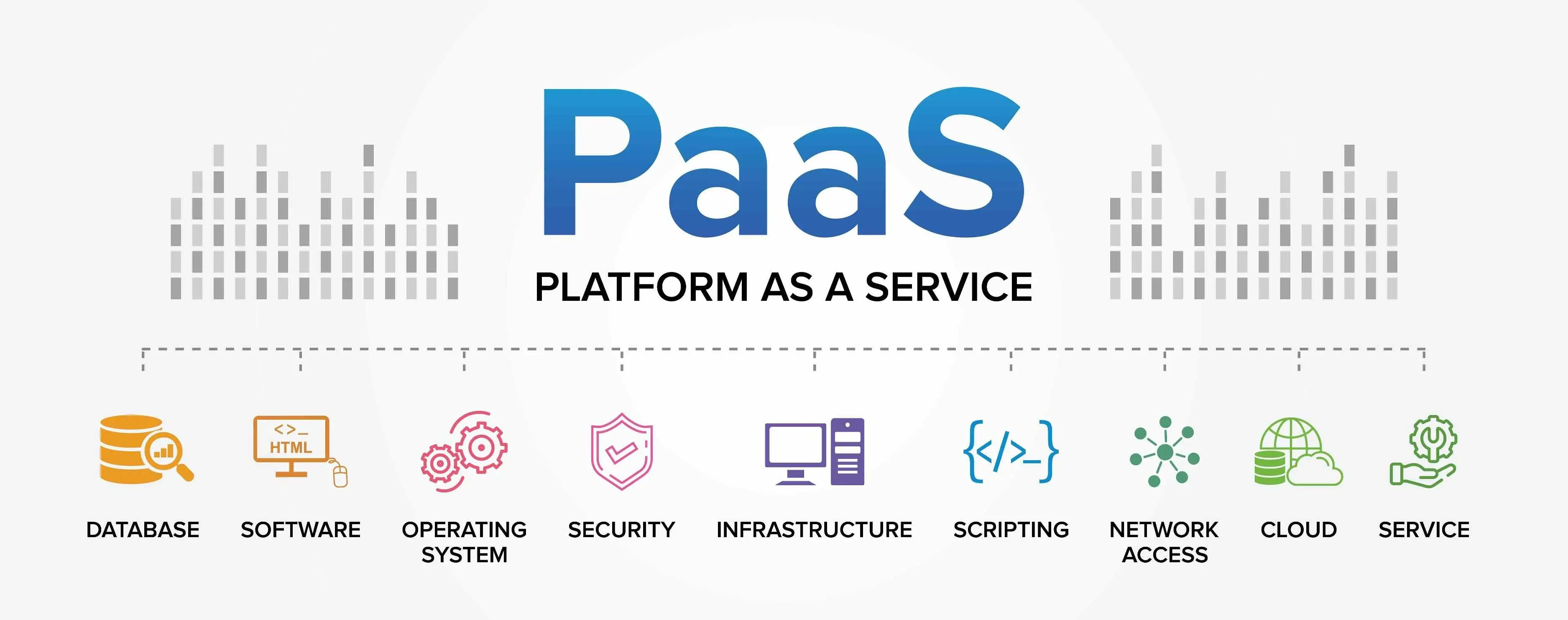
Examples of PaaS Providers
While many PaaS providers exist, a few have become industry standards for deploying modern web applications due to their simplicity, performance, and rich feature sets.
Vercel: Created by the team behind Next.js, Vercel is a top-tier platform optimized for frontend frameworks. It offers a seamless Git-based workflow, instant deployments, and a high-performance edge network. Its tight integration with Next.js makes it the default choice for deploying applications built with that framework, but it provides excellent support for nearly all modern frontend tools.
Netlify: A pioneer in the Jamstack movement, Netlify is an all-in-one platform for web development. It's renowned for its powerful, built-in features that go beyond hosting, including serverless functions (Netlify Functions), user authentication (Identity), form handling, and A/B testing. Its intuitive interface and powerful CI/CD make it a favorite for teams who want to build and deploy complex static and dynamic sites quickly.
Cloudflare Pages: Leveraging Cloudflare's massive global network, Cloudflare Pages is built for extreme performance and security. It offers a simple Git-integrated workflow similar to its competitors but stands out by its deep integration with Cloudflare Workers for running serverless logic at the edge. This allows for incredibly fast dynamic applications, as backend code runs in the data center closest to the user.
Firebase Hosting: Part of Google's broader Firebase ecosystem, Firebase Hosting is an excellent choice for developers already using other Firebase services. It provides fast, secure hosting on a global CDN and integrates effortlessly with Cloud Functions for serverless logic, Firestore for databases, and Firebase Authentication. This tight integration makes it a powerful, cohesive platform for building full-stack web applications.
GitHub Pages: The simplest and most straightforward option, GitHub Pages is designed for hosting static websites directly from a GitHub repository. It's free for public repositories and is perfect for project documentation, personal portfolios, and simple blogs. While it lacks the advanced features of other PaaS providers (like serverless functions or aut
Platform Highlights
Git-based CI/CD
Connect your GitHub, GitLab, or Bitbucket repository. Every push to your main branch automatically triggers a new build and deployment—no manual uploads needed.
Global CDN with edge caching
Your app is distributed to servers around the world. Users download files from the closest location, improving load times and reducing latency.
Free HTTPS certificates (auto-renewed)
Platforms provision and renew SSL/TLS certificates for your domain automatically, so your app is always served securely over HTTPS without extra setup.
SPA fallback for client-side routing
Deep links like /dashboard or /profile/settings won’t break. The platform automatically serves index.html for unknown routes so the SPA router can handle navigation.
Preview deployments for branches
Each branch or pull request generates its own unique live URL. This allows you to test new features in isolation and share them with your team before merging.
Optional serverless functions
Some platforms (e.g., Vercel, Netlify) let you run backend logic as serverless functions alongside your frontend, removing the need to manage a separate server for simple APIs.